India’s rich agricultural diversity has positioned it as a leading exporter of plant-based, functional snacks to the Gulf Cooperation Council (GCC) region — Saudi Arabia, UAE, Qatar, Kuwait, Oman, and Bahrain. Rising demand for clean-label, Halal-compliant, antioxidant-rich foods has accelerated imports of Indian superfoods that combine traditional nutrition with modern snacking formats.
Below is an evidence-backed overview of the most popular Indian superfoods exported to GCC markets, along with health research links and trade data insights.
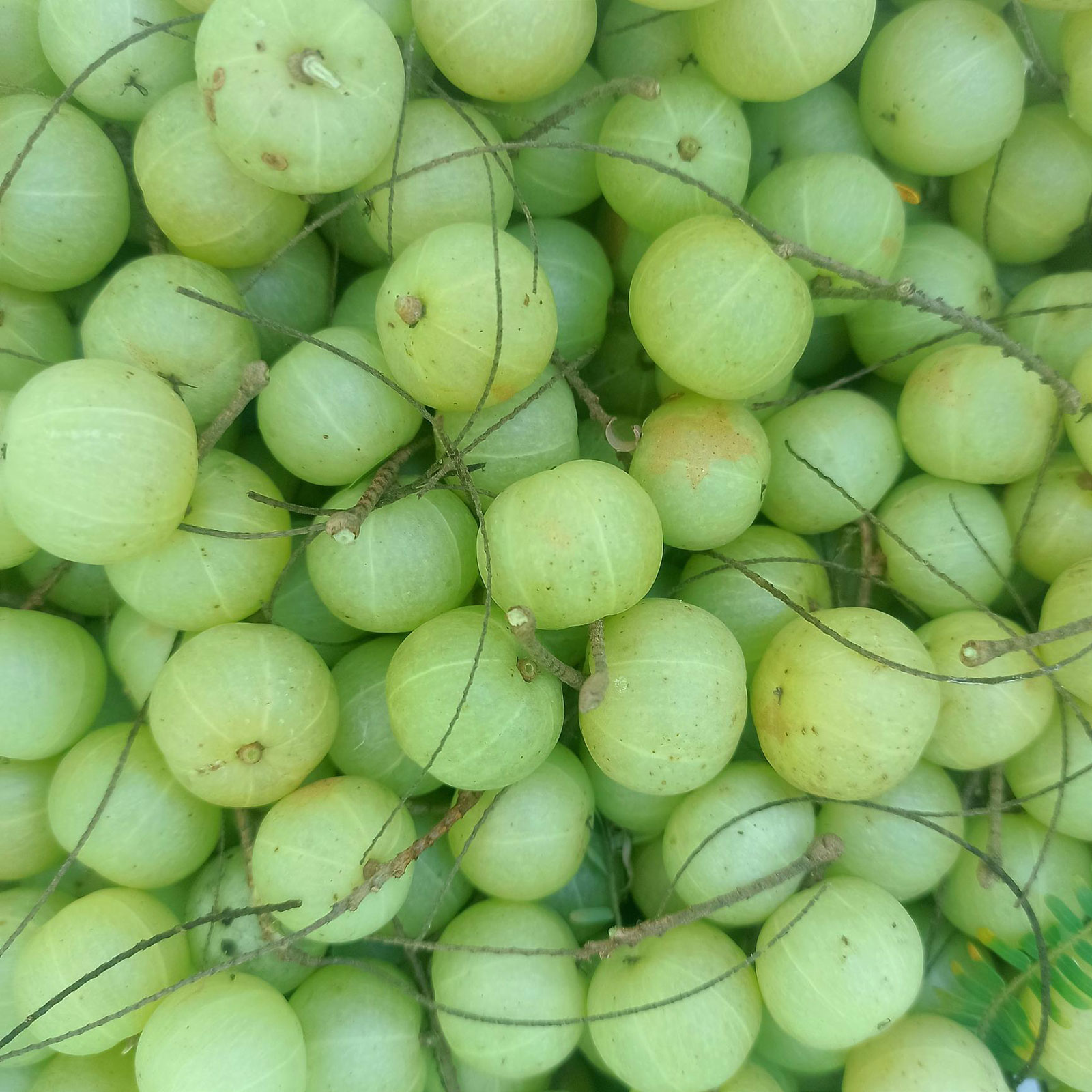
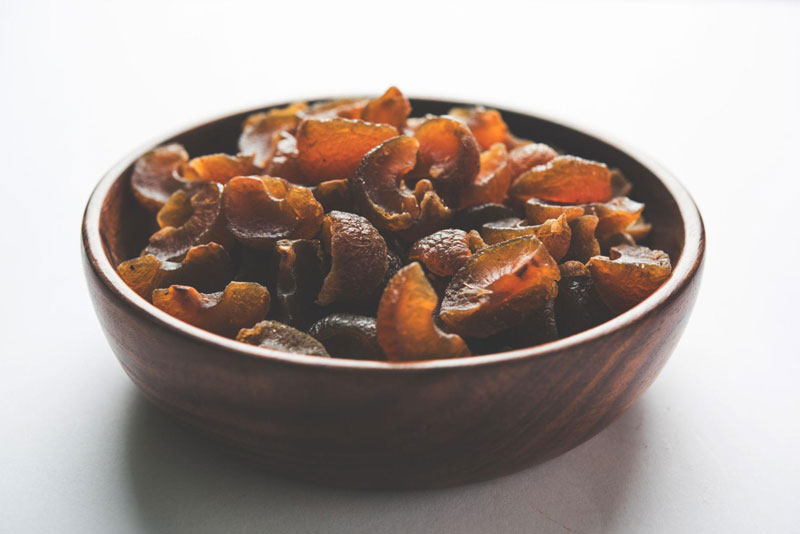
1. Amla (Indian Gooseberry)
Amla is widely used in Ayurveda and is recognized for its exceptionally high Vitamin C and polyphenol content.
Scientifically Supported Benefits:
- Strong antioxidant and anti-inflammatory properties¹
- Supports cardiovascular and metabolic health²
- Improves endothelial function and reduces oxidative stress³
Research Sources:
- Baliga MS & Dsouza JJ. Phytochemistry and Pharmacology of Amla.
https://pubmed.ncbi.nlm.nih.gov/21312238/ - Variya BC et al. Emblica officinalis Review. Antioxidants (2022).
https://www.mdpi.com/2076-3921/11/5/816 - Usharani P et al. Effect of Amla on Endothelial Function.
https://www.ncbi.nlm.nih.gov/pmc/articles/PMC6926135/
Export Data:
India exports processed fruit products including dried Amla primarily under HS Code 2008. According to data from Agricultural and Processed Food Products Export Development Authority (APEDA), the Gulf accounts for a significant share of India’s processed fruit and vegetable exports, with UAE and Saudi Arabia consistently among the top importers.
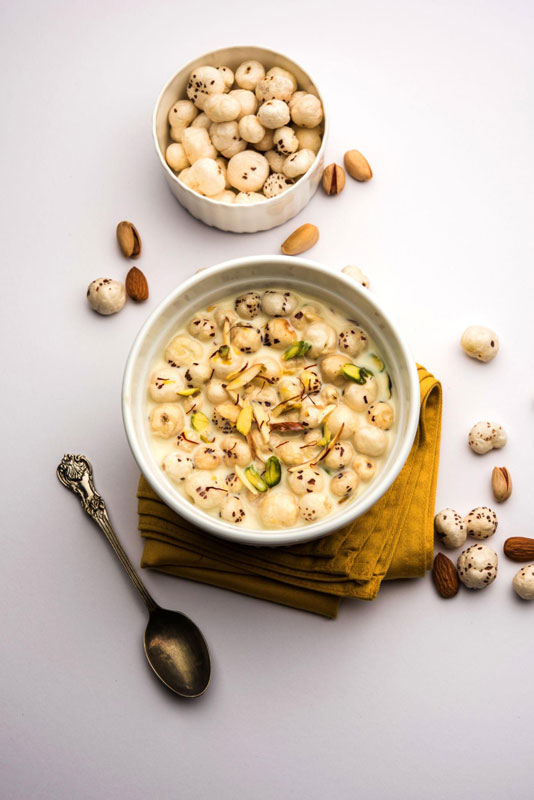
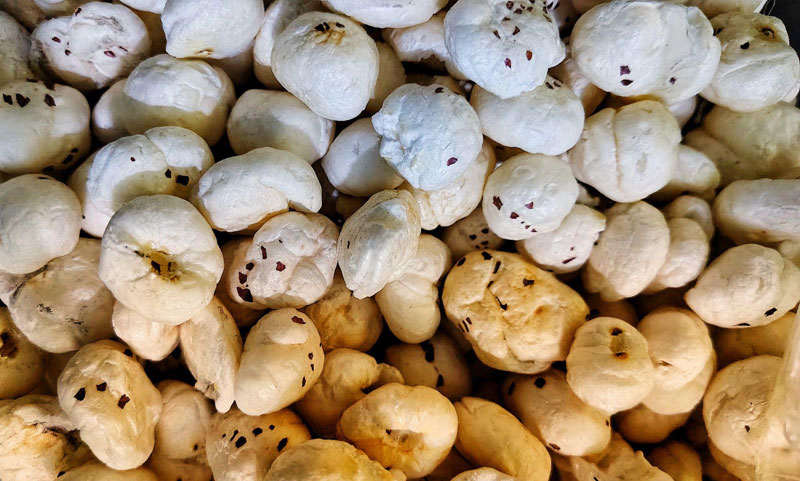
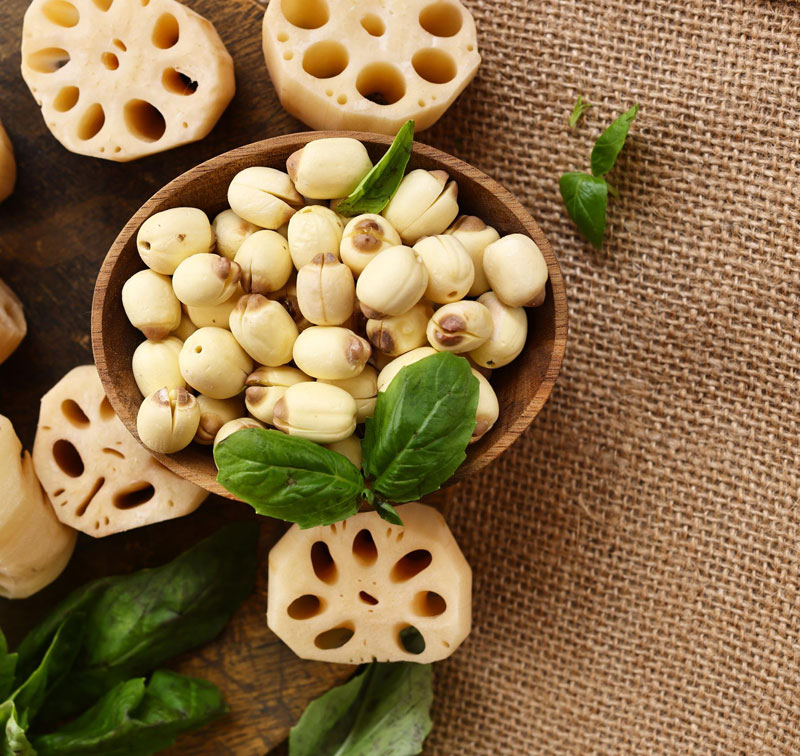
2. Makhana (Fox Nuts / Lotus Seeds)
Makhana is a low-calorie, plant-protein snack gaining rapid popularity.
Health Evidence:
- Rich in antioxidants and flavonoids¹
- Supports heart health and weight management²
- Low glycemic index, suitable for diabetic diets³
Research Sources:
- Singh D et al. Nutritional Composition of Euryale ferox (Makhana).
https://www.sciencedirect.com/science/article/pii/S0963996916303976 - Kumar L et al. Health Benefits of Fox Nuts.
https://pubmed.ncbi.nlm.nih.gov/30087360/
Export Data:
India is the world’s largest producer of Makhana, mainly cultivated in Bihar. Export volumes have grown steadily over the past five years, with UAE and Saudi Arabia emerging as key destinations, especially in roasted snack formats. APEDA trade statistics show increasing Gulf demand in the “other edible nuts and seeds” category.
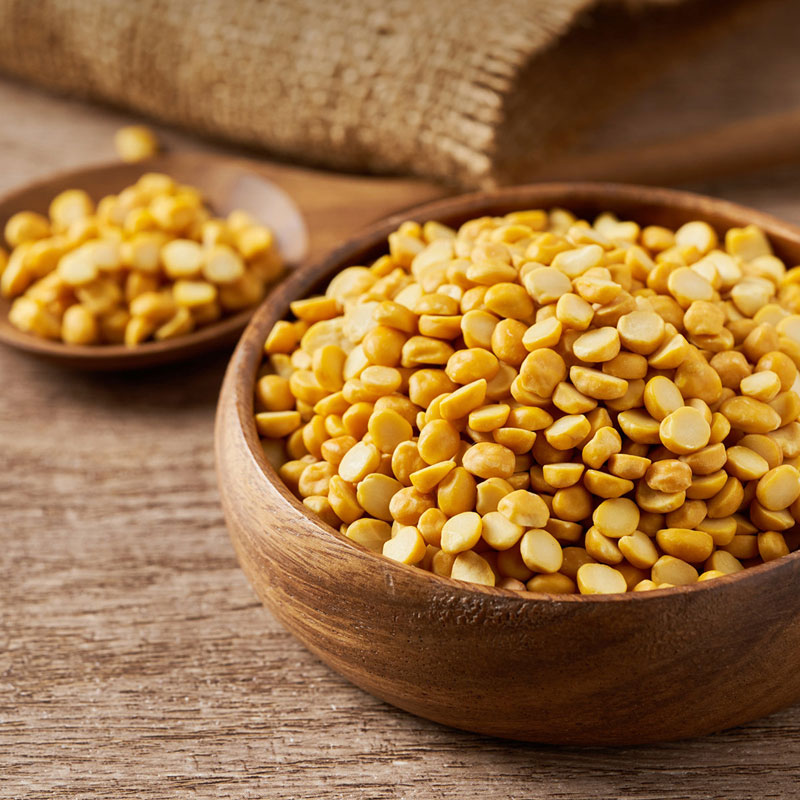
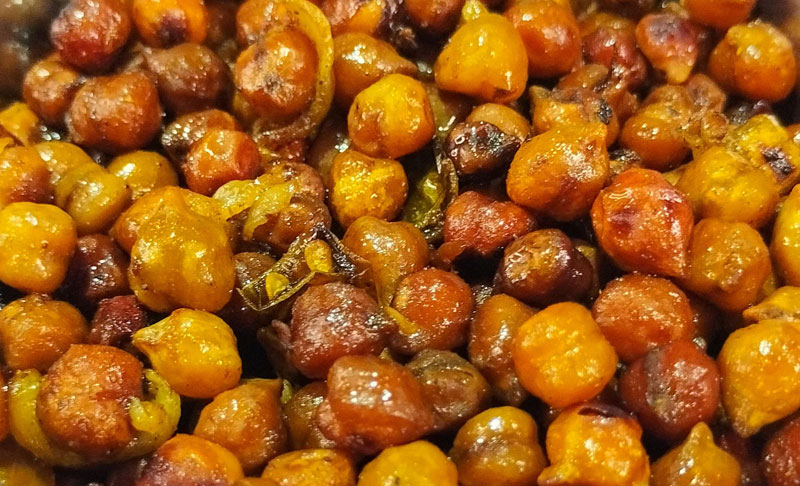
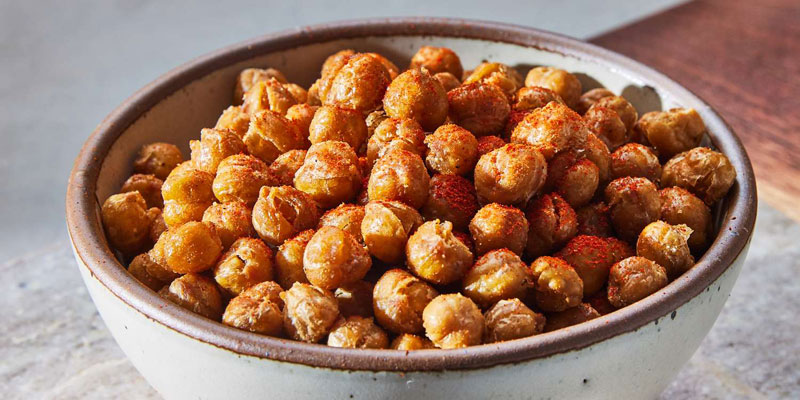
3. Roasted Chana (Bengal Gram)
Roasted chana is protein-dense and fiber-rich.
Health Evidence:
- High plant protein supports satiety¹
- Dietary fiber aids digestive health²
- Chickpea consumption linked to improved lipid profiles³
Research Sources:
- Wallace TC et al. Chickpeas and Cardiometabolic Health.
https://pubmed.ncbi.nlm.nih.gov/27765373/ - Jukanti AK et al. Nutritional Quality of Chickpea.
https://www.sciencedirect.com/science/article/pii/S0308814609006481
Export Data:
India is one of the largest producers and exporters of chickpeas globally. Under HS Code 0713, India exported pulses worth over USD 500 million annually, with GCC countries forming a strong share of imports, particularly UAE and Saudi Arabia (DGFT & APEDA trade data).
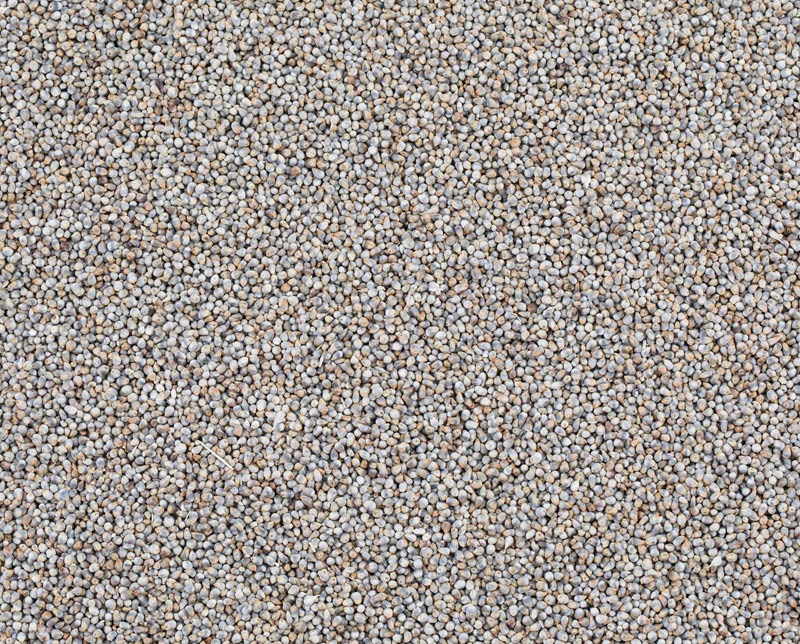
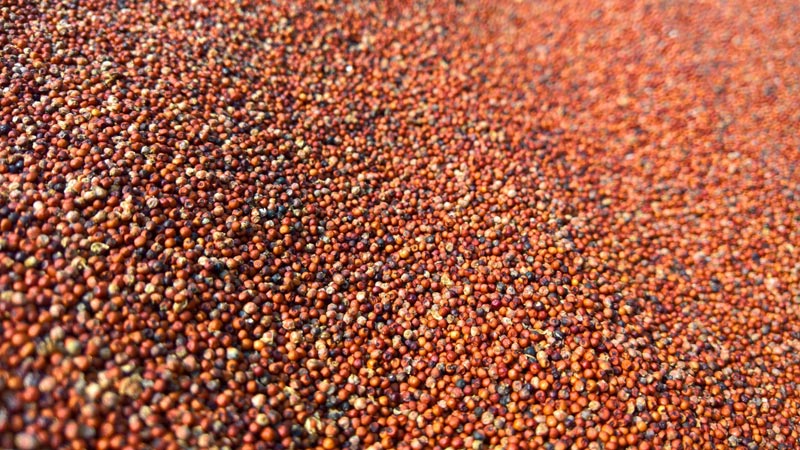
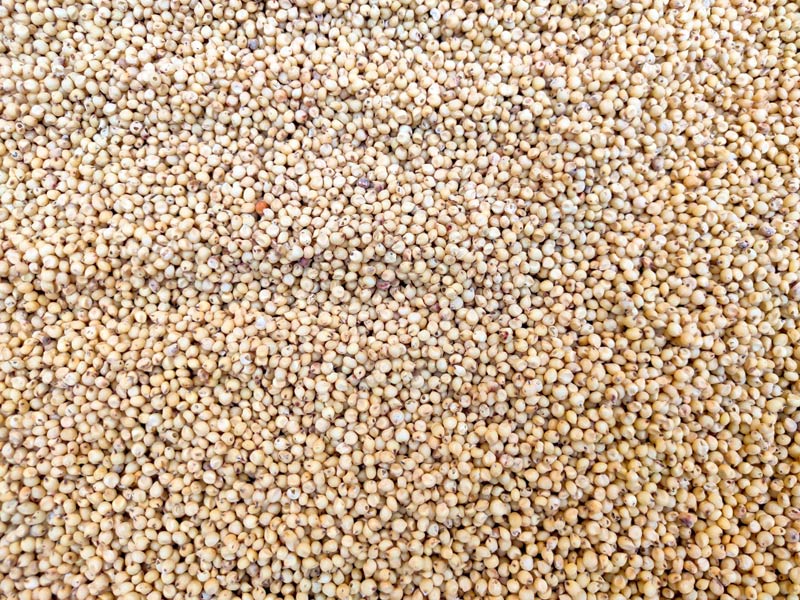
4. Millet-Based Snacks (Ragi, Jowar, Bajra)
India declared 2023 as the International Year of Millets in collaboration with Food and Agriculture Organization, boosting global awareness.
Health Evidence:
- Rich in dietary fiber and antioxidants¹
- Low glycemic response²
- Gluten-free grain alternatives³
Research Sources:
- Taylor JRN et al. Sorghum and Millets in Human Nutrition.
https://www.sciencedirect.com/science/article/pii/S0924224412002155
- FAO Millet Nutrition Report
https://www.fao.org/3/i4006e/i4006e.pdf
Export Data:
Millet exports from India crossed USD 75–100 million annually, with rising demand from the Gulf for gluten-free and diabetic-friendly grains.
Why GCC Markets Favor Indian Superfoods
- High demand for Halal-compatible, plant-based foods
- Growing lifestyle disease awareness
- Rising preference for antioxidant-rich and clean-label snacks
- Strong bilateral trade ties between India and GCC nations
According to India’s Ministry of Commerce data, the UAE and Saudi Arabia are consistently among the top five destinations for Indian agricultural exports, including processed fruits, pulses, and grain-based products.
Conclusion
Indian superfoods such as Amla, Makhana, roasted chana, and millets align perfectly with the GCC region’s evolving health-conscious consumer base. Backed by scientific research and supported by strong export data, these products represent a growing opportunity in functional snacking across the Gulf.